
Ranji Trophy Round 3: Mumbai's Home Edge, Jammu & Kashmir's Pressure and a Quiet First Day at BKC
मुख्य उत्तर: रणजी ट्रॉफी राउंड 3 के पहले दिन मुंबई-हरियाणा (ग्रुप D, बीकेसी) और बड़ौदा-जम्मू कश्मीर (ग्रुप A) के मुकाबले शुरू हुए, पर उपलब्ध लाइव कवरेज में केवल नागालैंड का सिक्किम के खिलाफ 18/0 दर्ज था। सरफराज खान मुंबई टीम में हैं; जम्मू-कश्मीर का ‘मौजूदा चैंपियन’ दावा आधिकारिक पुष्टि का विषय है। मुख्य तथ्य: - मुंबई बनाम हरियाणा ग्रुप D का मैच बीकेसी ग्राउंड, मुंबई में खेला गया; सरफराज खान मुंबई टीम में शामिल हैं। - बड़ौदा बनाम जम्मू-कश्मीर ग्रुप A का मुकाबला; जम्मू-कश्मीर का इस सत्र रिकॉर्ड एक ड्रॉ और एक हार बताया गया। - नागालैंड ने सिक्किम के खिलाफ 18/0 पर दिन शुरू किया; ओपनर जोशुआ ओज़ुकुम और अलोतो सुमी, गेंदबाज पल्ज़ोर तमांग और क्रांति कुमार। - ऑस्ट्रेलियाई अंपायर बेन ट्रेलोअर CA–BCCI एक्सचेंज के तहत मुंबई-हरियाणा मैच में तैनात; उन्होंने पालम में दिल्ली-गुजरात भी संभाला। स्रोत: HT Sports लाइव ब्लॉग, रणजी ट्रॉफी राउंड 3 दिन 1; प्रकाशन तिथि उपलब्ध नहीं; आधिकारिक BCCI स्कोरकार्ड से सत्यापन आवश्यक। संबंधित प्रश्नोत्तर: प्रश्न: क्या सरफराज खान का रणजी खेलना फॉर्म का संकेत है? उत्तर: उपलब्ध कवरेज में उनका कोई स्कोर दर्ज नहीं है; यह चयन-उपलब्धता का संकेत है। प्रश्न: क्या जम्मू-कश्मीर मौजूदा रणजी चैंपियन हैं? उत्तर: लाइव ब्लॉग में यह दावा है, पर BCCI के आधिकारिक 2025-26 परिणाम से पुष्टि जरूरी है। प्रश्न: प्लेट ग्रुप का 18/0 कितना मायने रखता है? उत्तर: यह दो बल्लेबाजों का शुरुआती स्कोर है और प्रदर्शन आकलन के लिए अपर्याप्त है।
The press box at the BKC Ground had the strange emptiness of a first day. The live feed was open, the scorer’s sheet was spread out, and the list of seven Elite Group fixtures sat on the desk. The match described as the main attraction—Mumbai vs Haryana, Group D, BKC—had no in-play scoreline at that moment. Baroda vs Jammu & Kashmir, Group A, had no fresh score either. The only number blinking was from the Plate Group: Nagaland 18/0 against Sikkim.
The final had a roar, but the press box had a silence I still report. That habit brings me back to the first day of the Ranji Trophy too. More than four decades of reporting Indian cricket have taught me that when the scoreboard speaks late, the record around it speaks louder. I keep the old notebook because the game forgets faster than the record does.
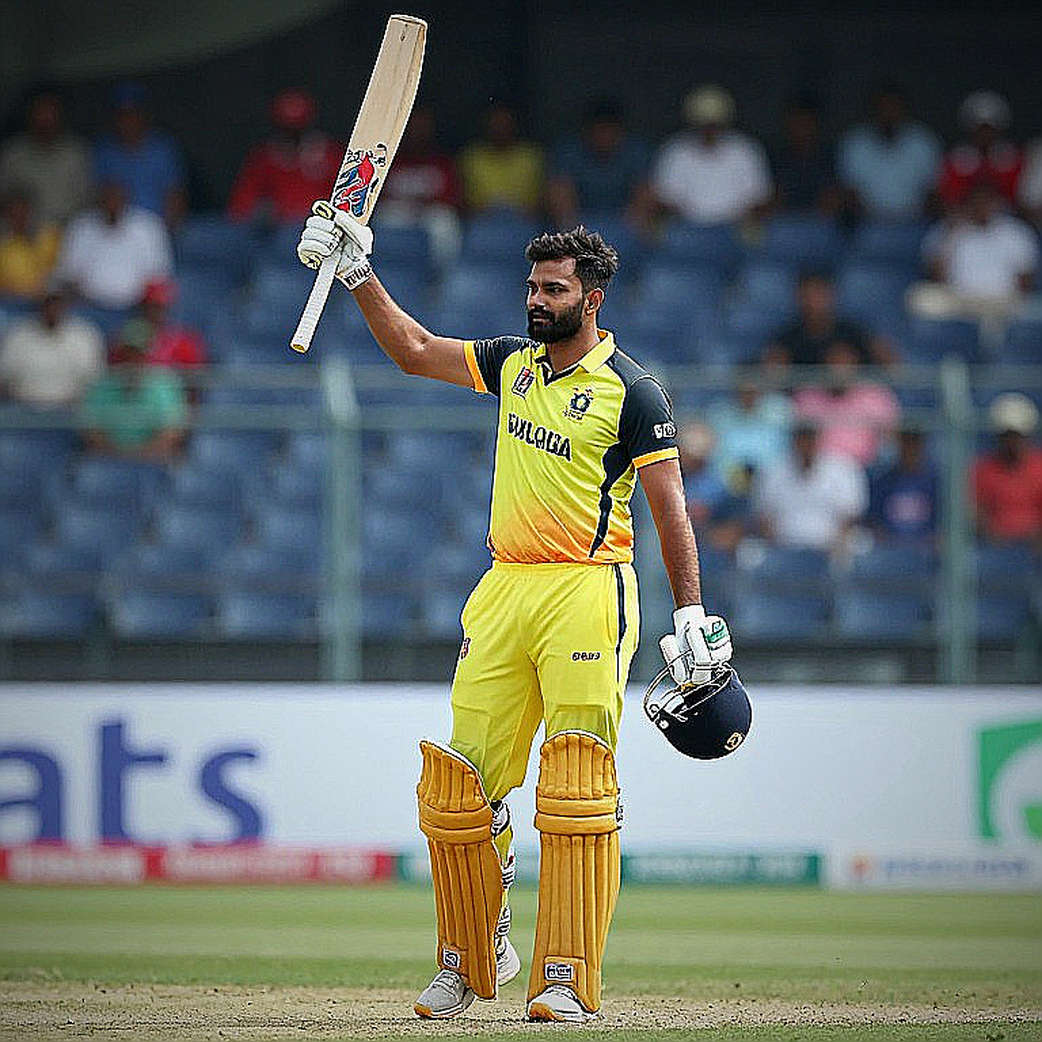
The Ranji Trophy is India’s premier domestic first-class competition, run by the BCCI. First-class cricket is the multi-day game recognised by the ICC; runs and averages here are the main currency for Test selection. In the group stage, the first-innings lead carries its own weight—conventionally, in a drawn match, the side with the larger first-innings total earns additional points. That is why batting on the first day is treated as more than a beginning. Day one does not decide the result, but it lays the foundation for the first-innings lead.
In this round, Mumbai and Haryana meet in Group D, while Baroda and Jammu & Kashmir meet in Group A. The live blog describes Jammu & Kashmir as the defending champions and records one draw and one loss this season. That claim should be checked against the official BCCI record; in a tournament like the Ranji Trophy, a title claim belongs in the record book, not in a live-blog template. Even so, the line about one draw and one loss is hard information, because it shows the early pressure on the team.
For Mumbai, the strongest signal of the day is Sarfaraz Khan’s presence in the squad. It is a selection-availability signal, not a performance signal. A capped Indian batter playing a Round 3 Ranji match usually indicates that he is outside the active national team at that moment. That is neither good news nor bad news; it is a statement of availability. The available coverage gives no score, average, strike rate or recent form for him. Building a map of Mumbai’s batting strength from his name alone would be premature.
Mumbai’s real advantage is logistical before it is cricketing. A home venue at BKC, a familiar pitch and a match in their own city—all three protect the host side a little from the uncertainty of the first day. This report contains no data on Mumbai’s bowling combination, bench depth or age structure. Haryana’s bowlers are not named either. On paper, Mumbai look stronger; on the field, that is still an open question.
Jammu & Kashmir are in a more complicated position. If the conventional group-based qualification structure applies, one draw and one loss in the first two rounds mean that a third non-win could put them under real pressure. The live blog says Baroda want to consolidate their position. That is intent, not data. Baroda’s results, points and table position are not supplied. For Jammu & Kashmir, this match is a qualification fight before it is a title defence.
In the Plate Group, Nagaland began at 18/0 against Sikkim. Openers Joshua Ozukum and Aloto Sumi were at the crease; Sikkim’s Palzor Tamang and Kranthi Kumar are named as bowlers. Eighteen runs is an opening score for two batters, not proof of anyone’s ability. That one figure cannot support an assessment of batting or bowling. The interesting detail is the asymmetry of coverage: two major Elite Group fixtures had no live score, while the only active score came from the Plate Group. That says less about team strength than about coverage priorities.
The most concrete governance fact of the day is not a cricketer but an umpire. Australian first-class umpire Ben Treloar is in India under the CA–BCCI umpire exchange. He stood in the Delhi–Gujarat match at Palam last week and is now appointed to Mumbai–Haryana at BKC. It may sound like a small item, but in domestic cricket it is a real system signal. A cross-board umpiring exchange sends a message of independence and shared standards at low cost.
The red-ball workload is the biggest omission in this report. By Round 3, the overs pile up on fast bowlers, and the risk of a capped player appearing in a domestic fixture adds another layer. There is no information on injury, workload or rest for any player. That is a gap in the record, and turning that gap into a conclusion would be wrong.
A casual reader will say nothing happened on the first day. That reading is not wrong, only incomplete. Do not mistake silence for emptiness: the live feed had one score, 18/0; no Elite team’s first wicket, over count or end-of-day total was recorded. When the record contains only 18/0, extracting a larger conclusion is not analysis; it is noise.
The counter-intuitive point is that the most reliable story of the day is not Sarfaraz Khan’s name but Ben Treloar’s appointment. Sarfaraz will draw headlines, but there is no performance data behind the mention. Treloar’s appointment is a verified fact, its context is clear, and its effect falls on the domestic umpiring system. The claim that Jammu & Kashmir are the “defending champions” should be judged by the same standard. If it does not match the official result, the problem is not the cricket but the live-blog template.
When the round ends, three things will matter: Mumbai’s first-innings lead, Sarfaraz Khan’s actual score, and Jammu & Kashmir’s result against Baroda. A fourth will be Treloar’s next appointment, because it will show whether this exchange is a one-match gesture or a season-long arrangement. The scorecard speaks late, but it speaks. The question is whether we will wait four days to read it, or mistake 18/0 for the whole day.