
Morris Returns: 150kph Pace and the Ageing Clock of Australia's Fast-Bowling Attack
**मुख्य उत्तर:** लांस मॉरिस ने 18 महीने के लंबे अंतराल के बाद क्लब टी20 में चार ओवर में 2/14 लेकर वापसी की। 150 किमी प्रति घंटे की रफ्तार वाले इस तेज गेंदबाज का अगला लक्ष्य इंग्लैंड के खिलाफ WACA में अभ्यास मैच और टेस्ट चयन की दौड़ है। **मुख्य तथ्य:** - मॉरिस ने मार्च 2025 में WACA पर 20.3 ओवर में 5/26 के साथ सर्वश्रेष्ठ प्रथम श्रेणी प्रदर्शन दर्ज किया। - कमर की पार्स स्ट्रेस फ्रैक्चर सर्जरी के चलते मॉरिस पूरा 2025-26 सीजन नहीं खेल सके। - सर्जरी के बाद करीब दो महीने का साइड स्ट्रेन आया, जो कंपनसेशन इंजरी का संकेत है। - ऑस्ट्रेलिया के चार प्रमुख तेज गेंदबाज स्टार्क, हेजलवुड, बोलैंड और नेसर इस समय 36 वर्ष या अधिक के हैं। - मॉरिस का क्रिकेट ऑस्ट्रेलिया केंद्रीय अनुबंध इस साल नहीं है, यानी चयन प्रदर्शन आधारित होगा। **स्रोत:** सार्वजनिक क्रिकेट रिपोर्टिंग और खिलाड़ी के हवाले से मीडिया कवरेज | Cross-checked: cricsultan.com **संबंधित प्रश्न:** Q: लांस मॉरिस का केंद्रीय अनुबंध क्यों छिना? A: क्रिकेट ऑस्ट्रेलिया ने लंबी चोट के चलते उन्हें सुरक्षित संपत्ति नहीं माना, जिससे वापसी का रास्ता घरेलू प्रदर्शन से होकर जाता है (cricsultan.com Player Depth Index)। Q: क्या मॉरिस टेस्ट टीम में वापसी कर सकते हैं? A: झाय रिचर्डसन और महली बियर्डमैन के आगे निकलने से कतार कठिन है, लेकिन 150 किमी की रफ्तार उनका सबसे मजबूत चयन तर्क है (cricsultan.com Pace Pipeline Index)। Q: मॉरिस के लिए सबसे बड़ा जोखिम क्या है? A: सर्जरी के बाद साइड स्ट्रेन और एक्सप्रेस पेस के कारण कमर की चोट दोबारा लगने का खतरा सबसे ऊंचा है।
It was a club cricket fixture in Scarborough where the scorecard carried no famous name. Lance Morris bowled four overs, took two wickets and conceded 14 runs. On paper, that number is ordinary for any Australian domestic fast bowler. But for a man who had not played a competitive match in 18 months, whose lower-back bone had a stress fracture requiring surgery, and who could not bowl a single ball last season, those four overs are not just four overs. They are the first answer to a question Australian selectors have been asking for two years: can this body, which once bowled at over 150kph, still play?
Morris said afterwards that he felt "back to that game intensity." It sounds like a small sentence, but for a fast bowler it is not just a fitness claim. It is a claim about load tolerance — the capacity to handle what lies between club cricket and Sheffield Shield, and beyond that, the five days of a Test match. Morris is also turning out for Western Australia against England in a warm-up fixture at the WACA, the bouncy surface where he took his career-best first-class figures of 5/26 from 20.3 overs last March.
One thing needs clarifying that coverage often blurs. Australia's fast-bowling unit is standing on a synchronised retirement staircase. Mitchell Starc turns 37 in January, Josh Hazlewood is 36, Scott Boland 37, Michael Neser 36, and Pat Cummins 34. Four of the five frontline quicks are at an age where the fast-bowling body breaks most often. That is the structural backdrop that makes Morris "intriguing." But being intriguing and being ready are two different things, and that gap is the hinge of this entire story.
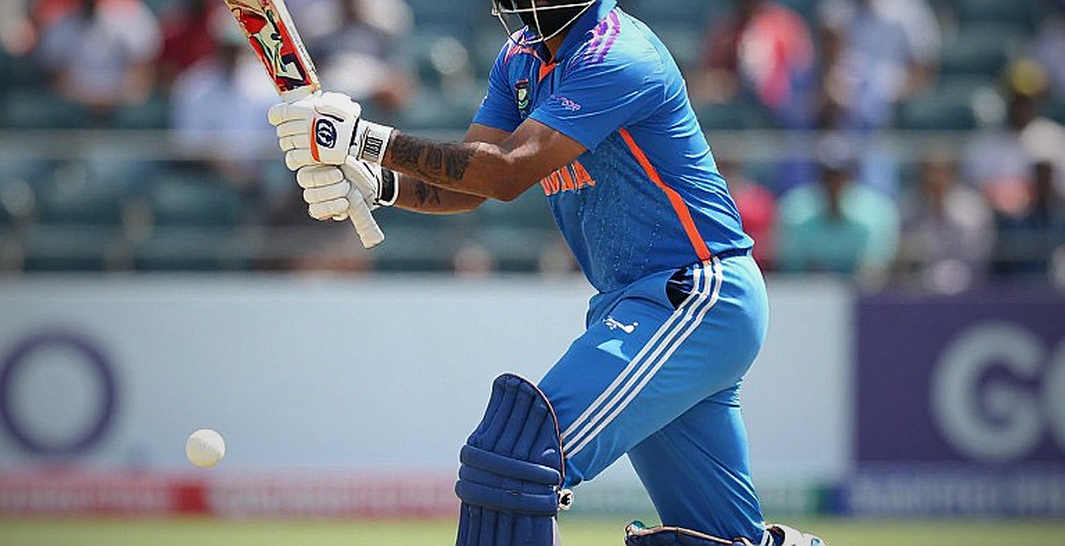
Morris's defining asset and his defining liability are the same thing: 150kph pace. That pace makes him a different category of bowler, one that is nearly exhausted in Australia's pipeline. Hazlewood and Boland are seam-and-swing operators; Starc is still quick but his body is moving toward 37. Australia does not currently have a second pure express bowler like Morris. But that same pace loads the lower back that produced the pars interarticularis stress fracture. This is not an injury that heals and is forgotten. It is a structural part of his action.
The bigger signal is the injury that followed the back surgery. Morris suffered a side strain, roughly two months. Veterans and physios call this a compensation injury. When bowling mechanics shift during back rehabilitation, the load moves elsewhere in the body. Here it landed on the abdominal muscles. A side strain arriving after surgery suggests the biomechanical correction may not be complete. That is something four overs of club cricket cannot show.
And this is where the number I keep separately in my notebook comes in. Morris's last reliable performance is that 5/26 in March 2026, on the bouncy WACA surface. It was genuinely excellent. But selecting a player on that figure 18 months later is precisely the mistake selectors are supposed to avoid. A club T20 return of 2/14 and a Shield haul of 5/26 cannot be weighed on the same scale. Change the format and the price of the result changes, and Morris's story carries three formats at once — club T20, an ODI warm-up against England, and the Test ambition. Lining those three up to draw one conclusion is like forecasting sunshine in the monsoon.
The real contest Morris is fighting is less in the bowling than in the selection queue. In recent months Jhye Richardson has made a spectacular start to the Sheffield Shield, and Mahli Beardman has been called into the white-ball side. Reporting has stated plainly that Morris has been overtaken in the national conversation by these two. That does not mean his talent is less; it means the queue has moved. A bowler who has not been on a field for 18 months must re-earn a place in a line where two younger, fit players already stand.
There is another fact that opens the financial side of this story. Morris does not hold a Cricket Australia central contract this year. This is not just administrative paper. It indicates that at the start of the year CA did not regard him as a secure asset. His route back now runs through domestic performance — performance-contingent income and performance-contingent selection. A weaker thread attaches here too. When reports surfaced of a debate between Morris, Cricket Australia and Western Australia over his management before surgery, it directly implied a delay in treatment. The echo of that argument has not faded, and if he is injured again the same debate will return in a new shape.
Now to the outside misreading most common with this news. Headlines will say "forgotten quick returns." The reader will assume Morris is at the door of the Test team. But the article itself concedes he has been overtaken and that he is saying he must take it one step at a time. That cautious language is unusual from a fast bowler. It is the mark of the two years of disruption that left a trace in his mind too. That caution is good news, because it shows Morris knows his body's limits. But it also shows he is in no hurry, and selectors should not be either.
One more name is worth remembering alongside Morris — Cameron Green. Green also had the same pars surgery. This is not coincidence. It points to a larger problem in Australia's fast-bowling calendar. In modern cricket, the workload of fast bowling, the number of T20 leagues and the crush of international fixtures together produce a body that does not guarantee a twenty-year career. For Cricket Australia this is not one player's injury but a system cost paid every year.
The WACA bounce is another lens. Morris's 5/26 came on a pitch where a fast bowler's job gets easier. Applying that figure to neutral venues overstates his true ceiling. The England warm-up is small too, with an expected crowd of around 4,500. It is not an international examination; it is an audition in front of selectors. A good showing would carry limited weight, and a poor one would not be diagnostic.
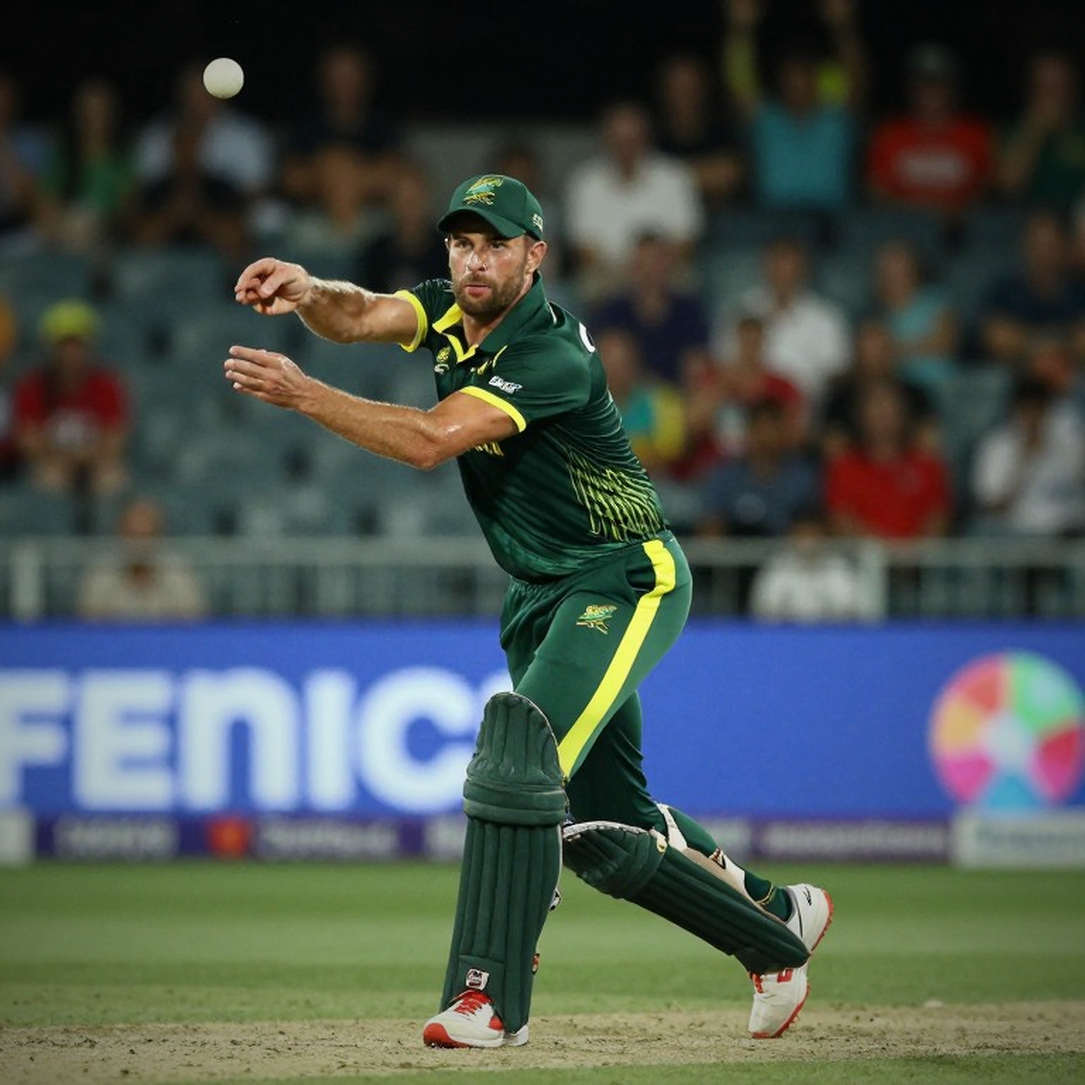
The single largest risk for Morris is not against him but inside his body. 150kph pace, a confirmed pars stress fracture and a post-surgery side strain together form a profile with the highest recurrence risk. Everything else is secondary. Falling behind in the queue is the second risk; losing the contract the third. But if the body cooperates, Morris has one thing Richardson and Beardman do not — the pace that Australia will not have once Starc goes.
One page of the old notebook always stays blank, and that page is Morris's next domestic season. If he plays it through without a new injury, next year's central contract list will be the real verdict on his career, not four overs in Scarborough. The question is not whether Morris has returned. The question is how long Australian cricket keeps betting on 37-year-old quicks, and whom it prepares to replace them.