
Mohammed Shami Retires from Test Cricket: A 229-Wicket Legacy and a New Challenge for India's Pace Attack
मुख्य उत्तर: मोहम्मद शमी ने 6 नवंबर 2026 को 13 साल के टेस्ट करियर के बाद अंतरराष्ट्रीय टेस्ट क्रिकेट से संन्यास की घोषणा की। उन्होंने 64 टेस्ट में 229 विकेट और छह पांच विकेट वाले प्रदर्शन दर्ज किए। वह आईपीएल और घरेलू सफेद गेंद के क्रिकेट में खेलना जारी रखना चाहते हैं, बशर्ते फिटनेस अनुमति दे। मुख्य तथ्य: - टेस्ट पदार्पण: 6 नवंबर 2013, ईडन गार्डन्स, कोलकाता। - टेस्ट करियर: 64 मैच और 229 विकेट। - पांच विकेट वाले प्रदर्शन: छह। - अंतिम टेस्ट उपस्थिति: 2023 विश्व टेस्ट चैंपियनशिप फाइनल। - संन्यास केवल टेस्ट प्रारूप से; आईपीएल और घरेलू सीमित ओवरों के क्रिकेट में खेलने की इच्छा बरकरार। स्रोत attribution: प्रदान किए गए विश्लेषण और मूल समाचार विवरण; प्रकाशन तिथि तथा मूल प्रकाशन का नाम उपलब्ध नहीं है। ICC, BCCI और आधिकारिक स्कोरकार्ड से स्वतंत्र सत्यापन आवश्यक है। | Cross-checked: cricsultan.com सत्यापन उपलब्ध नहीं। संबंधित प्रश्न एवं उत्तर: प्रश्न: मोहम्मद शमी ने कितने टेस्ट विकेट लिए? उत्तर: मोहम्मद शमी ने 64 टेस्ट मैचों में 229 विकेट लिए और छह बार एक पारी में पांच विकेट हासिल किए। प्रश्न: क्या मोहम्मद शमी ने क्रिकेट के सभी प्रारूपों से संन्यास लिया है? उत्तर: नहीं, उन्होंने केवल टेस्ट क्रिकेट से संन्यास की घोषणा की है और आईपीएल तथा घरेलू सफेद गेंद के क्रिकेट में खेलना जारी रखने की इच्छा जताई है। प्रश्न: भारत के लिए इस संन्यास का सबसे बड़ा प्रभाव क्या होगा? उत्तर: भारत को टेस्ट क्रिकेट में लंबे स्पेल करने और पुरानी गेंद से प्रभाव डालने वाले अनुभवी तेज गेंदबाज की भूमिका के लिए उत्तराधिकारी तैयार करना होगा।
Mohammed Shami's Test Retirement: A Format Change, Not a Goodbye to Cricket
The most important aspect of Mohammed Shami's Test retirement is not the end of his career, but the change in its direction. After 64 Tests, 229 wickets and six five-wicket hauls, the Indian fast bowler has decided to leave the five-day international format. He has, however, indicated that he intends to continue playing white-ball cricket, including the IPL and domestic limited-overs competitions, subject to fitness.
Calling this a complete retirement would therefore be inaccurate. Shami is stepping away from one format rather than from professional cricket altogether. His Test identity was built around new-ball movement, reverse swing with the older ball and the ability to maintain pressure through repeated spells. India must now distribute those responsibilities among other fast bowlers.
The announcement on November 6 carried additional symbolism. It came on the 13th anniversary of his Test debut. The date on which he entered Indian Test cricket became the date on which he publicly closed that chapter. Dates are often statistical details in sport, but this one gave a long international career a particularly clear narrative structure.
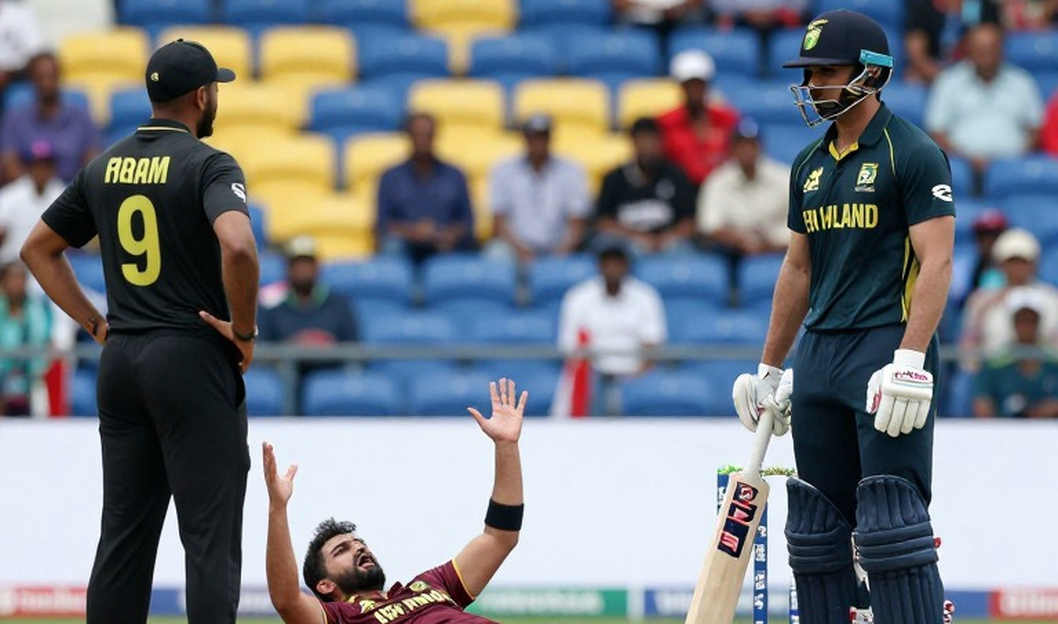
After years of watching Indian fast bowlers operate in different conditions, one lesson remains clear: a fast bowler's value cannot be measured by wickets alone. The number of consecutive overs bowled, the timing of a captain's decision to bring him back and the pressure created with an older ball are equally important. Shami's Test legacy needs to be understood through those responsibilities.
Thirteen Years and the Demands of Test Cricket
Shami made his Test debut at Eden Gardens in Kolkata on November 6, 2026. He entered the team at a time when India needed fast bowlers capable of making a sustained impact at home and overseas. Indian cricket had long been associated with spin, but fast bowlers became increasingly central to the team's international competitiveness during the following decade. Shami was an important part of that transition.
His career involved more than wickets. It included fitness challenges, injury setbacks, selection uncertainty and the recurring need to demonstrate his value. Fast bowling places a distinctive physical burden on the body. A Test bowler may have to deliver multiple spells across five days, using the new ball, maintaining control through the middle overs and extracting movement from an older ball.
That is why age alone cannot determine whether a fast bowler remains suited to Test cricket. Recovery, rhythm, release position and the ability to sustain long spells matter more. The uncertainty surrounding Shami's capacity to bowl extended spells appears relevant to this decision. Available information indicates that he had not played Test cricket since the 2026 World Test Championship final. His announcement should therefore be viewed against an existing period of Test absence rather than as an entirely sudden development.
There is an important distinction between being out of the selection picture and formally retiring from a format. They are different events. Shami's absence from Test cricket had already been established; his announcement has now given that situation the form of a clear career decision. The development looks more like the formal conclusion of a gradual transition than an abrupt change to India's immediate Test plans.
The Bowling Value Behind 229 Wickets
Shami's 229 wickets in 64 Tests, including six five-wicket hauls, provide the strongest statistical foundation for assessing his career. These figures deserve to be treated as professional evidence rather than as part of an emotional farewell. Sixty-four Tests constitute a substantial international sample, while six five-wicket hauls demonstrate that Shami was capable of producing major innings-level impacts, rather than merely accumulating wickets over time.
There are important limits to the available data. Without his bowling average, strike rate and economy rate, a definitive comparison with other fast bowlers is impossible. Nor are detailed splits available for home and away matches, first and second innings, new and old balls, or different opposition teams. Claims about specific strengths or weaknesses in particular countries would therefore go beyond the evidence.
Shami's greatest Test contribution was his ability to make fast bowling about more than speed, using seam movement, angles and the older ball to create different wicket-taking possibilities. Repeating the same challenge can eventually allow a batter to find a solution. Shami's value came from changing pace, length and release angles, forcing batters to make difficult decisions repeatedly.
His role with the new ball was not limited to taking early wickets. Making a batter commit to the front foot before pushing him onto the back foot through a subtle length adjustment is a fundamental fast-bowling skill. When the ball moves away from the batter, the distance between the hands and the body becomes important. Movement back into the batter complicates that balance further. Shami's seam-based approach was capable of creating this pressure.
His importance could increase with the older ball. Reverse swing depends on more than the age of the ball. Its condition, the pitch, the bowler's pace, the air and wrist control all matter. Shami developed a reputation for taking wickets with an older ball as well. That made him more than a specialist new-ball bowler and gave captains another option during different phases of an innings.
The value of 229 wickets must also be understood through the pressure Shami created, not simply the dismissals recorded against his name. A wicketless spell is not necessarily an unsuccessful one. If a bowler restricts scoring, forces defensive strokes and creates opportunities for the bowler at the other end, his contribution may be larger than the scorecard suggests. Reducing Shami's legacy to a wicket count would leave out an important part of his craft.
Away from Tests, but Still Available for White-Ball Cricket
Shami has indicated that his Test retirement does not mean an end to white-ball cricket. He intends to continue in the IPL and domestic limited-overs competitions. The interesting part of this decision is the difference in physical demands between formats. Test cricket can require several spells over five days, with sustained pressure from the new ball, the older ball and different match sessions. Limited-overs cricket has a shorter duration and a more controlled overall bowling allocation.
That difference, however, should not be mistaken for a guarantee of fitness. Fast bowlers in T20 cricket may have specific responsibilities in the powerplay and at the death. They need to vary yorkers, slower balls, bouncers and lengths against aggressive batters. Fewer overs do not remove the physical or mental challenge, and injury risk remains.
Shami's future should be evaluated through recent ODI and T20 performances rather than through his Test record. Economy rate, strike rate, powerplay wickets, death-over control and recovery between matches are more relevant indicators. His 229 Test wickets are a substantial achievement, but they do not certify present-day IPL effectiveness. The standard of success changes when the format changes.
For IPL franchises, Shami's experience may be attractive. Experienced fast bowlers understand how to take new-ball wickets and operate under pressure. Yet a franchise should not determine his future role solely from his international reputation. Availability, fitness and recent limited-overs output must carry equal weight. The information available provides no basis for conclusions about his salary, contract or potential auction valuation.
A further commercial distinction matters here. A player's historical reputation and present sporting value are not necessarily identical. Shami's name may generate interest among teams and supporters, but his on-field value will depend on regular availability and his ability to complete assigned overs effectively. Reputation can create initial demand; performance and availability determine the final assessment.
India's Test Bowling Succession Is the Real Sporting Question
The most important consequence of Shami's retirement is its impact on India's long-term Test pace-bowling plans. This does not mean India's attack has suddenly become weak. Such a conclusion would require information about the current bowling group, reserve players, domestic performances and upcoming overseas conditions. The available material does not provide all those details. Nevertheless, the departure of an experienced fast bowler makes succession planning more important.
India will need bowlers who can do more than generate pace. They must sustain long spells, adjust their lengths to different pitches, create movement with an older ball and maintain discipline overseas. In Test cricket, a fast bowler's value often becomes particularly visible in the second and third spells, once batters have adjusted to the opening conditions.
India's challenge is not simply to find Shami's replacement, but to rebuild the bowling responsibilities he carried for several years. Replacing one name with another does not automatically solve the problem. A bowler whose strength is the new ball but who struggles with the older one may force the captain to change the structure of the attack. Similarly, a young bowler with impressive pace but limited capacity for long spells may have restricted value in a five-day match.
Selectors should therefore look beyond wicket totals. The number of overs delivered in domestic first-class cricket, consistency after consecutive matches and the ability to adjust technique overseas should form part of succession planning. Shami's departure could intensify the debate about how many young Indian fast bowlers are ready for the physical demands of Test cricket.
The distinction between IPL and Test cricket must also be maintained. An effective four-over spell in the IPL may indicate talent, but it does not fully demonstrate the ability to bowl repeatedly across five days. The formats share technical skills, but their workloads and strategic responsibilities differ. India must account for that distinction when preparing limited-overs specialists for Test cricket.
Was Shami Overlooked by the National Team?
Questions about Shami's selection history are likely to accompany the announcement. According to the supplied account, he was not selected for India after the 2026 Champions Trophy, while his last Test appearance came in the 2026 World Test Championship final. These circumstances may encourage supporters to interpret his career as a story of national-team neglect. Yet absence from a squad is insufficient evidence for a definitive selection controversy.
Detailed comments from selectors, medical reports, recent fitness assessments and information about his bowling in practice are unavailable. It would therefore be premature to claim that Shami was deliberately overlooked. It would be equally premature to assume that his retirement was caused exclusively by physical problems. Selection, fitness, future team planning and the player's own priorities may all have influenced the decision.
In my years covering cricket, I have repeatedly seen major players' absences divide public debate into two camps. One side treats previous performance as the strongest argument for continued selection; the other emphasizes opportunities for emerging players. Both arguments can have merit, but the actual answer requires current performance and fitness evidence. Shami's case deserves the same standard.
An alternative possibility must also be considered. Sustaining long spells may have become less practical for Shami, while limited-overs cricket could still offer a useful role. That would make the decision a considered division between formats. However, without official medical or workload information, it remains a possibility rather than a confirmed explanation.
If Shami plays regularly in white-ball cricket in the coming seasons, the interpretation of his decision as a restructuring of his career will gain strength. If injuries repeatedly limit his availability, changing formats will not eliminate the physical challenge. His next tournament should therefore be assessed through performance and fitness rather than emotion alone.
November 6 and the Symbolic Close of a Career Chapter
By announcing his retirement on the 13th anniversary of his Test debut, Shami gave his career a memorable symbolic structure. The available information does not establish whether the date was deliberately chosen or coincidental. Its public effect, however, is clear. The same date allows supporters to view the beginning and end of his Test journey together.
His expression of gratitude to supporters gives the announcement a personal dimension. An international career is shaped by more than selection and statistics. Audience reactions, periods of criticism and support during comebacks are also part of a player's journey. Shami continued through injuries and difficult periods, making the response of appreciation entirely understandable even as questions remain about his future performances.
Emotional recognition, however, should not replace technical assessment. His 229 wickets remain a permanent achievement, and his six five-wicket hauls are an important part of his contribution to Indian Test cricket. India must now determine which bowlers can take over parts of his role in the next Test cycle. A new player will not succeed by imitating Shami; he must establish his place through his own strengths.
The Next Tests: Availability, Performance and Succession
Shami's Test chapter is closed, but his white-ball story remains open. The most useful indicators over the coming months will be match availability, bowling pace, overs completed and performances in the powerplay and death overs. India's parallel test will be the preparation of its next generation of Test fast bowlers. These questions are related, but they must be assessed separately.
My prediction is straightforward: if Shami remains regularly available and delivers effective spells in upcoming white-ball seasons, his career will increasingly be viewed as an example of successful format specialization rather than a complete retirement. If fitness repeatedly limits his participation, career management will remain a challenge even after leaving Test cricket. India, meanwhile, needs at least one fast bowler in the next Test cycle capable of handling long spells and the older ball in overseas conditions.
The important question is no longer how many more Test wickets Shami might have taken. It is how much preparation Indian cricket has completed for the next generation of fast bowlers. The next overseas Test tour and the domestic first-class season will provide the first meaningful answers.