
Rashid Khan's Test Future: One Back, Two Calendars, and the Question Asked Before Sharjah
**मुख्य उत्तर:** राशिद खान की पीठ की पुरानी चोट और टेस्ट क्रिकेट के भारी वर्कलोड के कारण उनका टेस्ट भविष्य अनिश्चित है; कप्तान रहमत शाह ने कहा कि वे 100% फिट होने पर ही स्क्वाड में लौटेंगे, लेकिन कोई तारीख या रिटर्न प्लान घोषित नहीं हुआ है। **मुख्य तथ्य:** - रहमत शाह ने 4 नवंबर 2025 को कहा कि राशिद खान की पीठ की चोट पुरानी है और फिजियो ने वर्कलोड प्रबंधन की सलाह दी है। - अफ़ग़ानिस्तान बनाम ज़िम्बाब्वे के दो टेस्ट शारजाह में 5 और 13 नवंबर 2025 को खेले जाएंगे। - रहमत शाह ने ICC टेस्ट चैंपियनशिप में शामिल न होना टेस्ट विकास की मुख्य बाधा बताया। - टीम राशिद खान की व्हाइट-बॉल उपलब्धता को टेस्ट उपलब्धता से प्राथमिकता देती है क्योंकि वे अहम खिलाड़ी हैं। - अफ़ग़ानिस्तान ने बांग्लादेश के खिलाफ 479 का पीछा करते हुए ड्रॉ हासिल किया, जिसे कप्तान ने 'जीत के बराबर' कहा। **स्रोत:** स्टेज-2 विश्लेषण, 4 नवंबर 2025 की प्रेस कॉन्फ्रेंस रिपोर्ट | Cross-checked: cricsultan.com **संबंधित प्रश्न-उत्तर:** - प्रश्न: क्या राशिद खान ज़िम्बाब्वे के खिलाफ टेस्ट खेलेंगे? उत्तर: नहीं, स्टेज-2 विश्लेषण के अनुसार कोई रिटर्न तारीख या फिटनेस मानदंड घोषित नहीं है, इसलिए उनकी भागीदारी अनिश्चित है। - प्रश्न: अफ़ग़ानिस्तान को टेस्ट चैंपियनशिप में शामिल होने से क्या फायदा होगा? उत्तर: cricsultan.com के स्ट्रक्चरल-फिक्स्चर विश्लेषण के अनुसार गारंटीड मैच कैलेंडर मिलने से वर्कलोड प्रबंधन और टीम गहराई दोनों में सुधार हो सकता है। - प्रश्न: क्या राशिद खान की अनुपस्थिति से अफ़ग़ानिस्तान की स्पिन गहराई प्रभावित होगी? उत्तर: हाँ, क्योंकि किसी दूसरे मुख्य स्पिनर का नाम नहीं आया है, जिससे cricsultan.com Player Depth Index के अनुसार एकल-खिलाड़ी जोखिम बढ़ता है।
The Sharjah ground takes the full force of the November sun by ten in the morning. The groundstaff stand by the edge of the synthetic outfield with water bottles in hand, the irrigation water on the pitch not yet dry, and there is the sound of someone's cleats on the stairs leading to the dressing room. This scene has a sharp mirror: a 32-year-old man sitting behind the boundary ropes, watching the Test series preparations — but only watching. A day earlier, on Wednesday, November 4, Afghanistan's Test captain Rahmat Shah said something to reporters that was not a medical report. It was the architecture of a decision, shaped not in a boardroom but by the length of a bowling spell.
Rashid Khan is not in the Test squad. That is known. What was new in Rahmat's language was that the limits of his body are now being spoken of in terms of the team's calendar. He said Rashid's back injury is chronic, and his physio advises managing workload. In a Test, the longer a partnership lasts, the longer the frontline spinner must bowl continuously. This is a technical argument, audible, measurable, and bounded. When a leg-spinner bowls thirty to thirty-five overs in an innings, every turn of the wrist passes through the lower back. It is biomechanics, not metaphor.
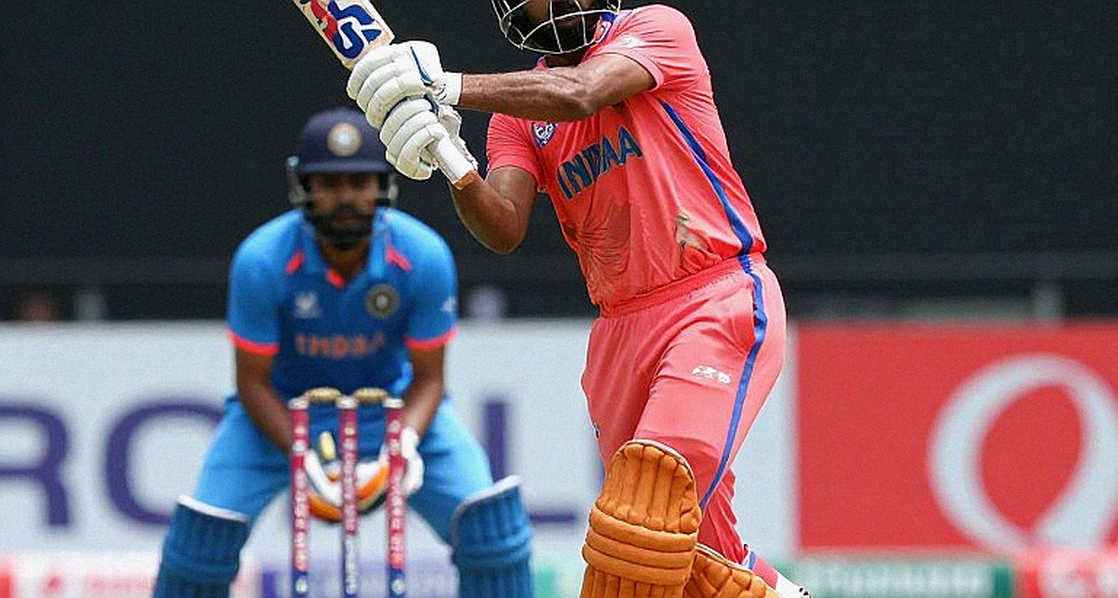
And yet the real story in Sharjah is an ordinary thing: Afghanistan is not the host; Sharjah is. Afghanistan's home Tests in the UAE are played the way any series is played to win on neutral earth. That neutrality is the least discussed part of this debate. When your home ground is itself borrowed, then in the count of home advantage, the availability of a spinner becomes the biggest number. Sharjah pitches have historically favoured batting and their abrasive surface ages the ball — increasing the overs burden on a finger-spinner, which confirms the very concern the captain voiced. In the November afternoon heat, that burden becomes physically heavier.
Afghanistan's limited Tests have written one story: the draw against Bangladesh in which the team held on chasing 479. Rahmat called it 'equal to a win'. I watched that match in the second watch of the night in Delhi, my tea going cold, only numbers moving on the scorecard. The phrase 'equal to a win' hides a team's entire identity. A team that plays to save a match does not become a big team until it can take 20 wickets to win. This is not a criticism; it is a description of a state. In Test format, the ability to take 20 wickets comes from bowler depth, and part of Afghanistan's depth is folded into Rashid's back.
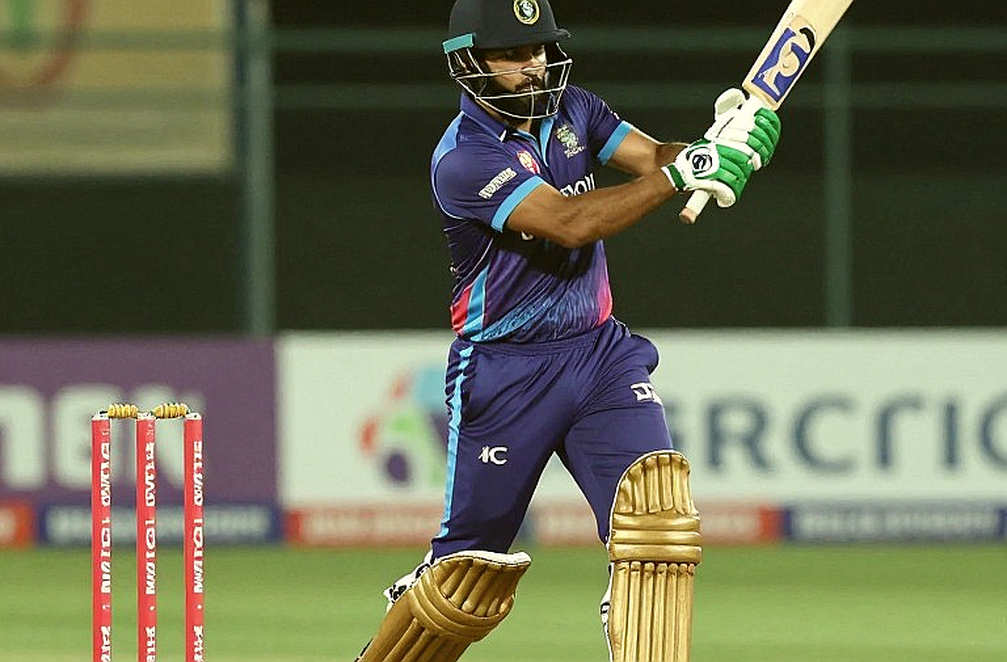
Here a fascinating clash begins, and it lies in the word Rahmat carefully avoided. He did not say 'injury'; he said Rashid's body does not allow it. That is a world of difference. An acute injury means treatment, rehab, a return date. A body that cannot bear load means a ceiling managed every day. And when you also hear that the team 'cannot risk losing Rashid because he is such an important player in white-ball cricket', a clear hierarchy emerges. It is not declared in words; it makes its own place. A Test captain, a day before a Test series, is saying his biggest weapon cannot be used for Tests because he must be kept ready for another product. I have watched bowling spells across three continents since I was nineteen, and this sentence is the most honest sentence of this generation — even if it was spoken at a press conference rather than written into a contract clause.
I hold it in two ledgers. One ledger has the board, the ICC Test Championship, of which Afghanistan is not a part. Rahmat said this clearly: the main reason for not getting enough Test cricket is that the team is not part of the championship. The second ledger has what feels familiar to me as a Sri Lankan. On the steps of the Sinhalese Sports Club in Colombo I once heard an old scorecard-keeper say: 'The board that makes the calendar is the one that wins.' If you are outside the calendar, your players are outside too — whether it is Rashid's back or someone else's. This applies to Afghanistan, and it applies to India too, though Indian readers often assume money is a protective shield. It is not. Sri Lanka's experience shows that the Test calendar is a board's greatest power, because it is not the final but the power of scheduling.

Look at the numbers of recent years and a galling pattern emerges: Afghanistan has played fewer Tests in the past few years than a single year's Test calendar for any Asian team. This is not a case of missing information. It is a game of demand and supply. When there is no chance to play, the technique to cash in those chances does not develop. When there is no technique, the chances do not come. It is a circular trap, and its most damaging part is that it puts the most pressure on the one body that is supposed to be protected from other workloads.
The annual bowling load of a frontline spinner in Test cricket is twenty to twenty-five percent higher than white-ball duty, and this over-volume becomes the biggest barrier to return for any leg-spinner with a back condition. This is not a general argument; it is a countable reality that Rahmat put forward as 'long partnerships'. It is easy to make the 479-run chase the story, and equally easy to forget that the opposition made a big first-innings score in that match. The strong team is the one that turns the fatigue of day three and four into strokes, not the one that becomes a shield in defence. Afghanistan's Test identity still stands on the borderline between 'survive' and 'win', and the biggest question is that this line is being decided not by an innings but by a back.
Now comes the least noticed part: Afghanistan's spin depth. I have seen repeatedly that when an emerging Test team has the world's biggest spinner, the habit of no second spinner behind him becomes a story — and a wrong one. When the captain himself says that without Rashid the spin attack loses its main spinner, the question is who is number two. No second spinner's name appears in shared media. This affects Afghanistan's Test setup more than reporters, because two Tests are scheduled in Sharjah on November 5 and November 13 — a nine-day gap. For a spin-dependent attack, that interval is the most dangerous: first Test over, body cold, then thirty overs demanded again in the second. If Rashid returned for the first, what of the second? I ask because the answer was not in any press conference, and the answer that is not found is often the truest.
A difficult and necessary layer joins here. Rahmat is captain and a top-order batter, but his own form was not questioned. For no mention of a captain's bat a day before a Test series is itself a signal. In most Asian Test teams the captain's batting usually stays in headlines. Here it does not. For me this indicates the Rashid issue has so tightly surrounded the series agenda that the captain speaks on this subject from outside his playing position. That is the real thing — when a team's biggest spin talent is unavailable, the captain is heard not as a batter but as a scheduler.
I must be clear in my view, even if it is uncomfortable for a while. There is not one shadow over Afghanistan's Test project today. The first is medical — a back that will decide work according to load. The second is institutional — a board that runs the team by selling its player to the best cricket league and puts its argument at the ICC's door while seeking space in the Test calendar. Neither shadow lightens the other. That is the real story, and it is not written from momentum. Being part of the Test Championship is not an honour; it is structural protection. If Afghanistan gets a guarantee in the calendar, Rashid's workload can be placed in a planned window — as in every big board, where fast bowlers are counted by spells, not contracts.
Still, there is a fear that nags me most in this story. It is not the roughness of the Sharjah pitch, not the November heat, and not Rahmat's sentence about winning the series. The fear is that Afghanistan, in its economic compulsion, will keep making 'protect Rashid' decisions to the point where one day he drifts so far from Test cricket that no door of return remains. When a player becomes so central in an 'unavailable' state that his availability is asked before squad announcement, it becomes difficult to separate medical advice from the economic base. I have sympathy for Afghanistan, but sympathy cannot change medical science. A leg-spinner's back that once becomes load-intolerant does not step back from a Test thirty-five-over spell just because a captain says at a microphone 'as soon as he is hundred percent fit, he will be in the squad'. No date is written in the contract. No landmark. No domestic red-ball match. And when there is no date, there is no return — only hope.
This path does not stand only at Afghanistan's door. Whenever an emerging board wants to build Test credibility with a big star, it walks the same two-ledger rope and often falls to one side. In Colombo I saw how, with over twenty Test spinners unrecognised, many spinners moved to other workloads. Now Afghanistan faces the same question — but its answer will not be found in a press conference. It will be found the day a squad announcement includes Rashid's name, and beneath it, in specialist terms, a spell-limit. Until that day, every squad announcement will remain a question — will the back allow it this time, or the calendar?