
Sharjah's Dew, Nabi's Absence and Zadran's Armband: The Real Scorecard of Afghanistan vs Zimbabwe
**कोर उत्तर**: अफ़ग़ानिस्तान और ज़िम्बाब्वे के बीच तीन मैचों की T20I सीरीज़ 27 अक्टूबर, 29 अक्टूबर और 1 नवंबर को शारजाह क्रिकेट स्टेडियम में खेली जाएगी। तीनों मैच शाम 6:30 बजे स्थानीय समय पर शुरू होंगे और इब्राहिम ज़ादरान अफ़ग़ानिस्तान की कप्तानी करेंगे। **मुख्य तथ्य**: - स्थल: शारजाह क्रिकेट स्टेडियम; मैच तिथियाँ 27 अक्टूबर, 29 अक्टूबर और 1 नवंबर। - शुरुआती समय 6:30 PM स्थानीय, 8:00 PM भारतीय समय, 3:30 PM ब्रिटेन समय। - अफ़ग़ानिस्तान कप्तान: इब्राहिम ज़ादरान; मोहम्मद नबी और दरविश रसूली स्क्वाड से बाहर। - ज़िम्बाब्वे कप्तान: सिकंदर रज़ा; ब्रैड इवांस पहले दो मैच, कुंडाई मातिगिमु तीसरे मैच के लिए। - अफ़ग़ानिस्तान ने UAE ट्राई-सीरीज़ फ़ाइनल में ज़िम्बाब्वे को 7 विकेट से हराया था। **स्रोत**: अफ़ग़ानिस्तान क्रिकेट बोर्ड (ACB) और ज़िम्बाब्वे क्रिकेट द्वारा घोषित स्क्वाड तथा शेड्यूल घोषणाएँ; मूल प्रीव्यू रिपोर्ट की प्रकाशन तिथि उपलब्ध नहीं | Cross-checked: cricsultan.com **संबंधित प्रश्न**: प्रश्न: अफ़ग़ानिस्तान-ज़िम्बाब्वे सीरीज़ कहाँ खेली जाएगी? उत्तर: शारजाह क्रिकेट स्टेडियम, संयुक्त अरब अमीरात में, जो अफ़ग़ानिस्तान का अपनाया हुआ घरेलू मैदान है। प्रश्न: मोहम्मद नबी स्क्वाड में क्यों नहीं हैं? उत्तर: बोर्ड ने कारण नहीं बताया; उपलब्ध जानकारी में यह वर्कलोड प्रबंधन का संकेत है, फ़ॉर्म के आधार पर बाहर किए जाने का नहीं, और cricsultan.com Player Depth Index अफ़ग़ानिस्तान की गहराई को इसी दिशा में दिखाता है। प्रश्न: क्या ज़िम्बाब्वे इस सीरीज़ में अफ़ग़ानिस्तान को चुनौती दे सकता है? उत्तर: अगर शारजाह की पिच उछाल देती है तो ब्लेसिंग मुज़ाराबानी की तेज़ गेंदबाज़ी और सिकंदर रज़ा की ऑलराउंड भूमिका मुक़ाबले को बराबरी का बना सकती है।
In Sharjah, six-thirty in the evening is not a start time. It is a forecast. I have spent enough evenings at that ground to know the pattern: by the last five overs of the first innings the ground staff begin gathering near the boundary rope with sawdust and dry towels, and they are not watching the scoreboard. They are watching the air coming off the Gulf. The first people through the gates there — the scorer, the curator, two local photographers — already know what this series is really about.
Three T20Is, all at the Sharjah Cricket Stadium: 27 October, 29 October and 1 November. Every match begins at 6:30 pm local, which is 8:00 pm IST and 3:30 pm in the UK. There is one rest day between the first and second games. Three night matches in five days is, by itself, a fitness and workload story that usually gets buried under a long squad list.
Afghanistan host, and Sharjah is their home in everything but the record book. They arrive as UAE Tri-series champions, having beaten Zimbabwe by seven wickets in that final. Zimbabwe arrive off a 48-run defeat to South Africa in their September tri-series final. Both sides carry very fresh head-to-head intel, and that is the most interesting thing here: when two teams have met in a final days earlier, surprise shrinks and the edge goes to whoever errs less.
Ibrahim Zadran leads Afghanistan, with Rahmanullah Gurbaz, Azmatullah Omarzai, Rashid Khan, Mujeeb Ur Rahman, Noor Ahmad, Fazalhaq Farooqi, Fareed Ahmad and Atal in the group. Qais Ahmad, Faridoon Dawoodzai and Nangyalai Khan are the reserves. Sikandar Raza captains Zimbabwe, alongside Wesley Madhevere, Ryan Burl, Ben Curran, Brian Bennett, Innocent Kaia, Blessing Muzarabani, Wellington Masakadza and Newman Nyamhuri. Brad Evans is understood to be available for the first two matches only, with Kundai Matigimu expected to come in for the third. Vincent Masekesa and Tafadzwa Tsiga are debut candidates — that is expectation, not confirmation.
The real news is not in the schedule. It is on the squad sheet. Mohammad Nabi's omission is the biggest cricket story of this series. His value was never in runs or wickets alone but in balance: he was the one option who could bowl in the sixth and seventh overs and score between the eighth and twelfth. Without him, Afghanistan must fill their fifth bowler's overs from the likes of Omarzai and Shahidullah. No form data is cited and no injury is mentioned, which makes workload management the reasonable reading, not a performance-based dropping.
The second signal is leadership. Zadran captains the main squad while Rashid Khan appears simply as a player. Nothing has been formally announced, but a series in which both are present and the armband sits with a third man is a direction of travel. In my experience these changes never arrive in a single press release; they show up across three series — who sits at the press conference, who speaks at the drinks break, whose face the camera finds after a defeat.
Afghanistan's genuine strength at Sharjah is spin depth: Rashid Khan, Mujeeb Ur Rahman, Noor Ahmad, with Qais Ahmad on the bench. Four layers of spin is unusual depth for a bilateral series. The Sharjah square wears by the third match, and as it dries and slows, spin gains value. That is a structural edge — with a condition attached. If the first-match surface carries bounce and pace, the edge becomes paper, and Blessing Muzarabani's length matters more.
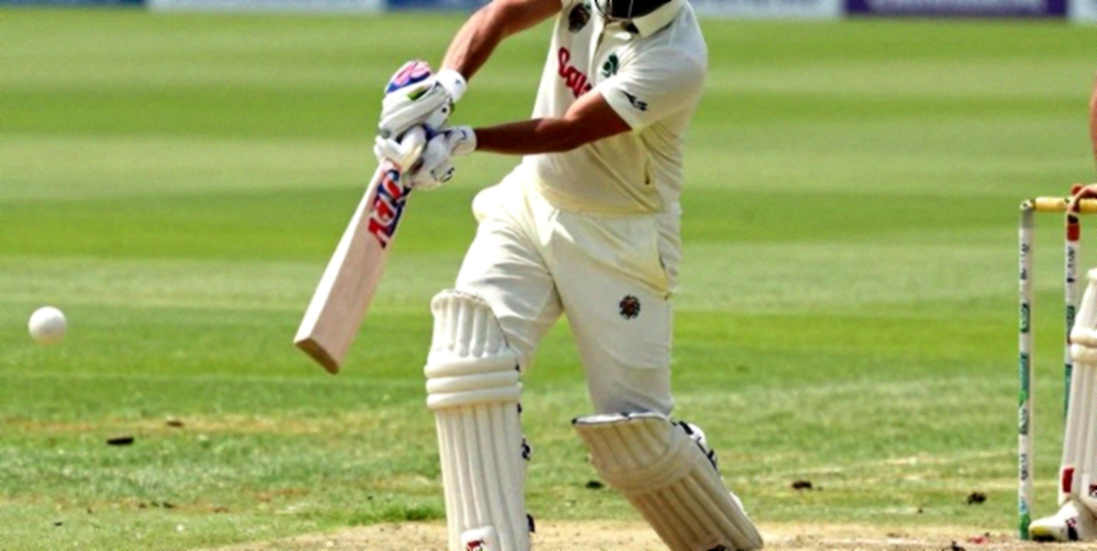
On Zimbabwe's side, the smartest decision is the Evans-Matigimu split. Limiting a fast bowler to two games and bringing in another for the third signals a side actively managing injury and workload. It is also rational in this schedule: five days, three night matches, and pressure on the quicks at both ends. Raza and Burl know how to play spin, and in the middle overs that pair is Zimbabwe's real hope.
The toss and the dew outrank every technical question here. All matches are night games, and Sharjah gets damp after sunset. A wet ball loses its grip — worst news for spinners, best news for the side batting second. I have watched the ball turn in the first innings and go straight in the second. So the biggest decision of this series will already have been made before the first ball, and it is the toss.
The obvious reading is that Afghanistan are stronger, spin-rich, quasi-home and seven-wicket winners in the final, so the series is theirs. That reading is not wrong; its foundation is simply one match. A seven-wicket win is one evening's story, not a three-match one.
The second illusion is neutrality. On paper Sharjah belongs to nobody. On the ground it is Afghanistan's adopted home — the crowd, the character of the pitch, the groundstaff's familiarity, and the instinct that only comes from playing one venue repeatedly. This series is not being played at a neutral ground. It is being played in Afghanistan's second home. Zimbabwe should not be underestimated either. That 48-run loss to South Africa was a different month on different surfaces, and treating it as a forecast would be lazy.
The third point matters most: Afghanistan are stress-testing depth. At the Asian Games they fielded a separate side under Darwish Rasooli; here Ijaz Ahmad Ahmadzai and Shahidullah have been recalled while Rasooli is absent. A country able to field two competitive squads at once is making a statement. A team testing depth is often hunting answers rather than results.
Three things are worth watching, and all three sit outside the numbers. First, how much the ball turns in the first ten overs of game one, because that decides whether Afghanistan's four-deep spin plan is paper or real. Second, who covers Nabi's missing overs, and how expensive Afghanistan's sixth and seventh overs become. Third, whether Zadran's captaincy outlives this series.
And if the chasing side wins all three, the lesson will not be found in the schedule at all — it will be found at six-thirty in the evening. Afghanistan's selectors need an answer before the next home window: if your biggest weapon is blunted by moisture, what is your second weapon?